

Core Differences Between Jerusalem Artichoke Inulin and Chicory Inulin
Natural Prebiotics, Quality Makes a Difference – An In-depth Analysis of Jerusalem Artichoke Inulin vs. Chicory Inulin
In the healthy food and dietary supplement industry, inulin – as a natural water-soluble dietary fiber and reliable prebiotic – has gained wide market attention for its benefits in supporting intestinal health, maintaining healthy blood sugar and lipid levels, and promoting mineral absorption. Currently, most industrial inulin is derived from two sources: Jerusalem artichoke and chicory. Although both are classified as inulin, they differ significantly in raw material characteristics, molecular structure, eating experience, and application adaptability. With years of expertise in R&D and manufacturing of Jerusalem artichoke inulin, Guiwei Biotechnology explains the key differences and highlights the natural advantages of Jerusalem artichoke inulin.
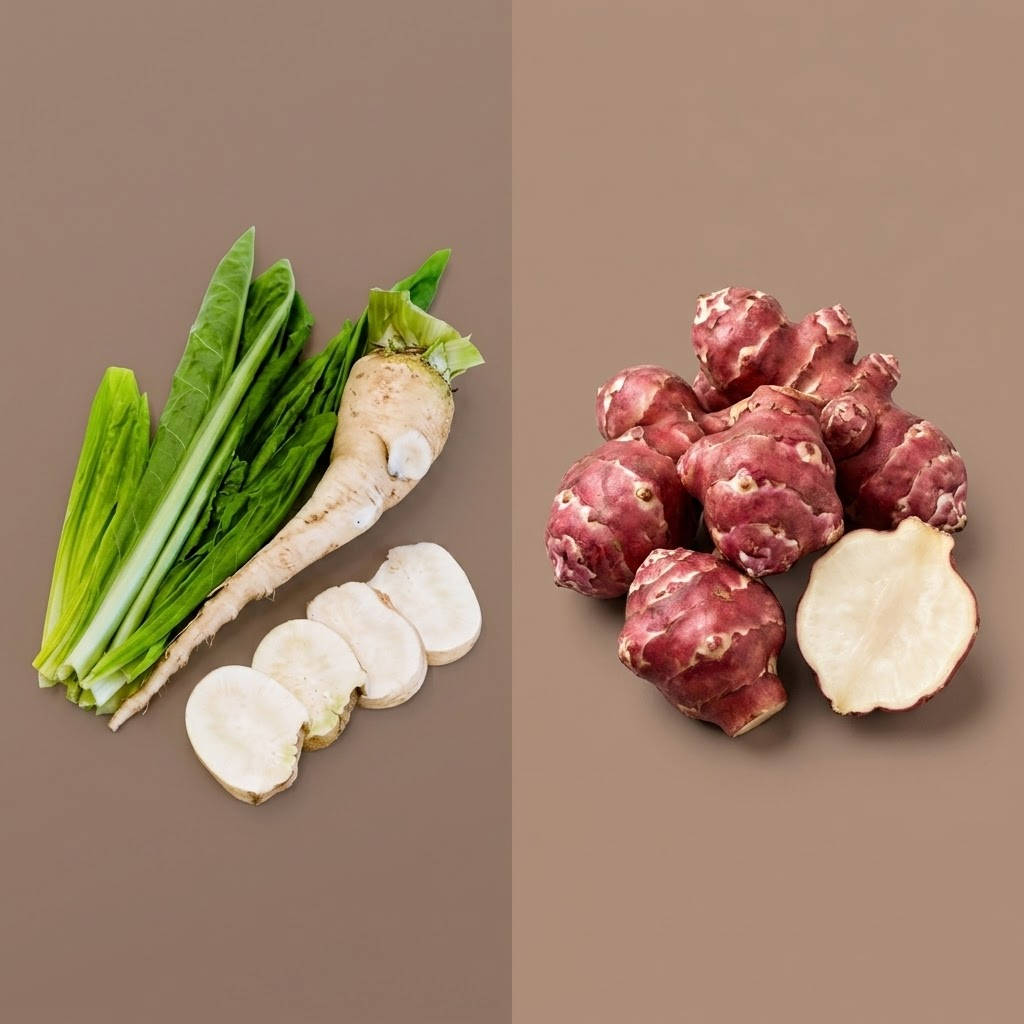
1. Raw Material Origin: Natural Characteristics Lay the Foundation
(1) Jerusalem Artichoke: A Resilient Native Raw Material
Jerusalem artichoke (sunchoke) is a perennial herb of the Asteraceae family, with tubers rich in inulin.
◆ Growth traits: Cold‑resistant, drought‑resistant, and tolerant to poor soil; strong adaptability and low dependence on pesticides and chemical fertilizers for large‑scale planting.
◆ Natural properties: A food‑medicine homologous ingredient; inulin content reaches 60%–80% on a dry basis, making it one of the most concentrated natural sources of inulin.
◆ Supply advantages: Native to China, widely planted with stable supply and strong controllability, aligning with domestic ecological and food safety standards.
(2) Chicory: An Introduced Crop with Strict Growing Requirements
Chicory is a biennial plant native to Europe, commonly used for inulin production in Western regions.
◆ Growth traits: Prefers humid climates; demands high soil fertility and moisture; vulnerable to pests and diseases, resulting in higher management costs.
◆ Raw material limitations: An introduced crop with limited planting in China; core raw materials rely on imports, leading to potential supply chain instability.
◆ Content comparison: Inulin content in chicory root is about 65%–79% (dry basis), similar to Jerusalem artichoke, but lower in natural purity.
2. Molecular Structure: DP Differences Shape Performance
Inulin is a fructan mixture. Degree of Polymerization (DP) is the key index affecting solubility, taste, intestinal comfort, and prebiotic performance.
(1) Jerusalem Artichoke Inulin: Short‑chain Dominant, Mild & Compatible
◆ DP profile: Mainly short chains with low polymerization (DP 2–10), shorter molecular structure.
◆ Key advantages:
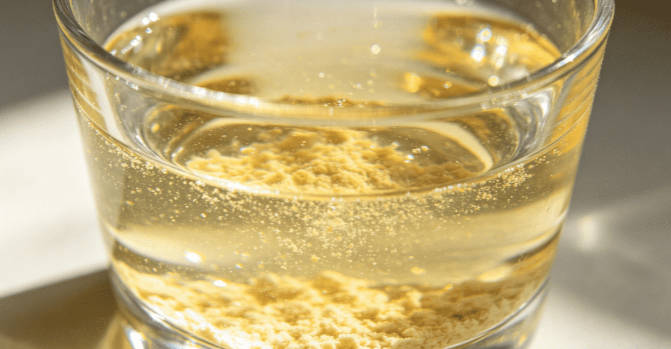
Good solubility: Dissolves quickly in cold and hot water, less caking, suitable for beverages, bakery, and solid drinks.
Pleasant sweetness: About 30%–50% the sweetness of sucrose, clean sweet taste without bitterness, usable as a healthy sugar substitute.
Gut‑friendly: Gently utilized by beneficial bacteria in the upper intestine, low gas production, high tolerance for new users.
Stable prebiotic effect: Short chains are easily metabolized by probiotics, supporting flora balance and intestinal regularity.
(2) Chicory Inulin: Long‑chain Dominant, More Limited Application
◆ DP profile: Mainly long chains with high polymerization (DP>10), denser molecular structure.
◆ Application limits:
Limited solubility: Slow to dissolve in cold water, easy caking; requires high temperature, restricting usage scenarios.
Bitter aftertaste: Low sweetness with obvious bitterness, not suitable as a direct sugar substitute.
Stronger gut irritation: Only fermented in the lower intestine by limited strains, leading to more gas and bloating.
Slower onset: Longer time to show prebiotic effects.
3. Health Value & Application: Jerusalem Artichoke Inulin is More Versatile
(1) Natural Safety: Higher Purity for Jerusalem Artichoke Inulin
Jerusalem artichoke inulin is produced with low pesticide and fertilizer input, using physical extraction to preserve natural properties. It can meet organic production standards with controlled residues.Chicory inulin involves more agricultural inputs, making it difficult to achieve organic certification.
(2) Health Benefits: Mild, Comprehensive, Widely Suitable
Intestinal support: Works gently across the entire intestine, supports beneficial bacteria, and helps maintain intestinal mucosa.
Metabolic support: Short chains slow carbohydrate absorption, assist in healthy postprandial blood glucose, blood lipid management, and weight control.
Mineral absorption: Boosts calcium and magnesium absorption by producing short‑chain fatty acids, supporting bone health.
(3) Application Adaptability: Wide Compatibility
Jerusalem artichoke inulin is widely used in food, supplements, infant food, solid drinks, and bakery. Chicory inulin is limited by solubility and taste to fewer applications.
4. Conclusion: Choose Jerusalem Artichoke Inulin for Better Quality
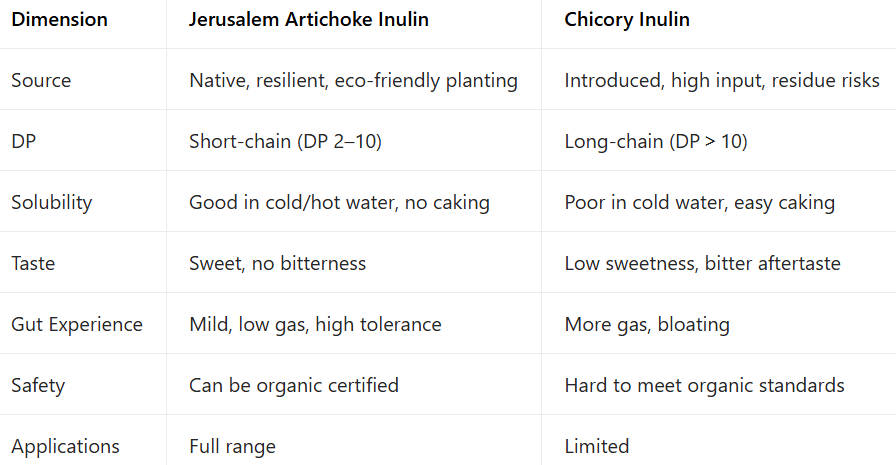
In summary, Jerusalem artichoke inulin excels in natural purity, short‑chain efficiency, pleasant taste, gut mildness, and wide application. It is the preferred choice for high‑quality inulin.
Guiwei Biotechnology: Focused on Jerusalem Artichoke Inulin
With years of focus on Jerusalem artichoke inulin, Guiwei Biotechnology adheres to “nature‑based, quality‑driven” principles. We select high‑quality domestic Jerusalem artichoke and apply physical extraction, membrane separation, and spray drying to produce high‑purity, highly soluble, and stable inulin products.
Our Jerusalem artichoke inulin features:
◆ 100% Jerusalem artichoke source, no additives, controlled residues
◆ High short‑chain content for stable prebiotic performance
◆ Fast dissolving in cold/hot water, clean sweet taste
◆ Certified with ISO22000, HACCP, Organic, meeting international standards
Raw materials define quality; technology enhances value. Guiwei Biotechnology provides reliable ingredients and customized solutions to support the healthy food industry. Choose Jerusalem artichoke inulin; choose Guiwei for safer, more natural health ingredients.