

Understanding Probiotics, Prebiotics, Synbiotics & Postbiotics
Understanding Probiotics, Prebiotics, Synbiotics & Postbiotics
— Four Supportive Concepts for Gut Health
When exploring gut health, you often come across the terms “probiotics”, “prebiotics”, “synbiotics” and “postbiotics”. They have different roles, yet they work together. Knowing the basics helps you make more informed choices regarding dietary supplements.
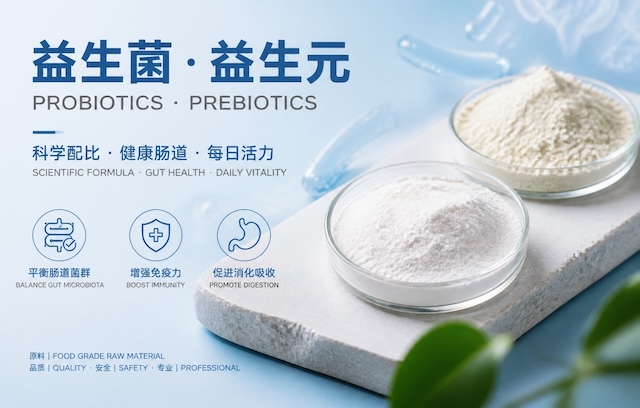
01 Probiotics: Live Microorganisms in the Gut
Probiotics are live microorganisms that, when administered in adequate amounts, confer a health benefit on the host. Common types include Lactobacillus and Bifidobacterium. They can help maintain a balanced gut microbiota. Studies suggest that proper probiotic intake may support the recovery of gut flora after antibiotic use or mild digestive discomfort.
• Check viable counts (typically 1–20 billion CFU per serving or more)
• Survivability matters more than just high numbers
• Choose fresher manufacturing dates, avoid prolonged heat exposure
• Choose products made under recognized quality standards
02 Prebiotics: “Food” for Beneficial Bacteria
Prebiotics are nondigestible food ingredients (e.g., inulin, fructo-oligosaccharides) that reach the colon and are selectively used by host beneficial bacteria. Common dietary sources include onions, garlic, asparagus, bananas, and oats. Eating more of these foods naturally supports your gut microbes.
03 Synbiotics: Probiotics + Prebiotics Combined
Synbiotics are products that contain both probiotics and prebiotics. The concept is to provide live microbes together with their preferred fuel source. It offers a convenient combination, though some individuals may still choose separate supplementation.
04 Postbiotics: Beneficial Metabolites from Probiotics
Postbiotics refer to metabolic products produced by probiotics during fermentation, such as short-chain fatty acids and bioactive peptides. They contain no live microorganisms but still deliver compounds of interest. Postbiotics are not limited by survival of live bacteria, which may offer an alternative for certain populations.
Daily Diet: The Foundation of Gut Care
A balanced diet is the cornerstone. Include fermented foods (yogurt, kefir, miso, natto, non-vinegar pickles) and high-fiber foods (whole grains, legumes, vegetables, fruits). These natural sources contain probiotics and/or prebiotics and help maintain gut microbial diversity.
In a Nutshell
Understanding these four “gut helpers” allows you to make better-informed choices. The best support often comes from everyday meals — vegetables, fruits, whole grains, and fermented foods are long-term allies.
· What if your daily fruit & vegetable intake is insufficient, or you look for a convenient way to get prebiotic fibers? Natural prebiotic ingredients like inulin and stachyose are water-soluble dietary fibers that serve as fermentable substrates for beneficial gut microbes. Hunan Guiwei Biotechnology Co., Ltd. (https://www.hnguiwei.com) focuses on these natural prebiotic components — from organic cultivation to scaled production — providing pure and stable inulin & stachyose. Whether used as food ingredients or daily supplements, natural prebiotics represent a gentle auxiliary option.
· Remember: Supplements are only supportive. Eating a variety of vegetables, fruits, and whole grains every day remains the sustainable way to nurture your gut. Caring for your gut starts with what’s on your plate.